RACE, MENTAL HEALTH, AND FAITH RESOURCES
During Indigenous History Month and beyond, we are taking time to educate ourselves, advocate for justice, and pray for our Indigenous sisters and brothers. This blog post contains resources for learning about Indigenous history as well as intersections of art, race, faith, and mental health. We recognize that historic and ongoing systemic racism have impacted the mental health of Indigenous peoples, and we condemn and denounce racism, oppression, and genocidal policies in every form. We also celebrate and acknowledge the dignity, worth, and value of all people made in the image of God.
We are immensely grateful for the Indigenous people who have chosen to work with us. It’s an honour to share their stories and artwork.
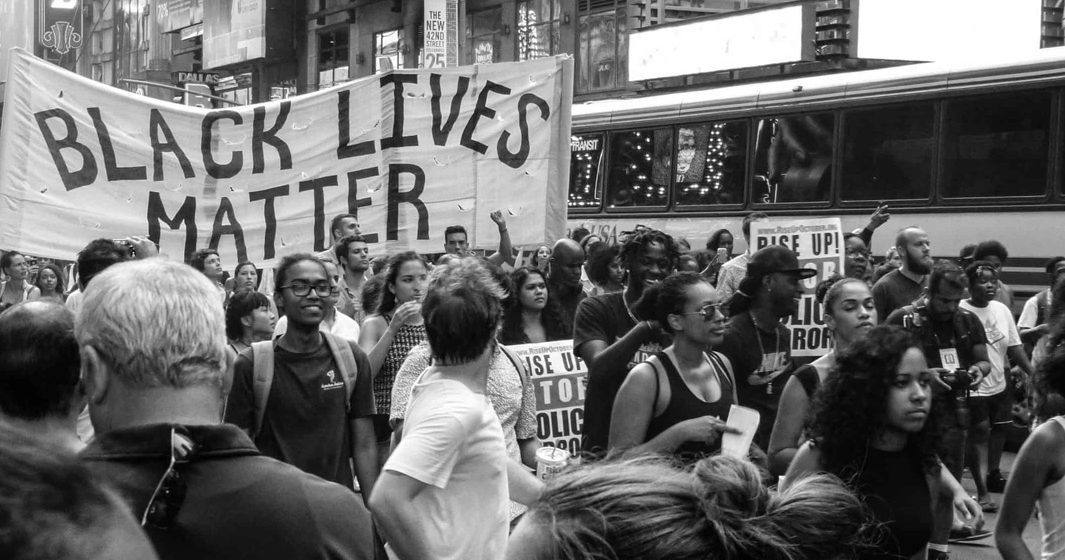
Events in recent years such as the killing of George Floyd and Breonna Taylor, and the subsequent Black Lives Matter protests reminded us that there is so much more we can do in fighting against racial injustice, inequality, and white supremacy as we advocate for the creation of healthy communities that promote and sustain mental wellbeing. We acknowledge that we can do better in listening to and supporting Black people and Black communities who have been traumatized, oppressed, and marginalized by systemic racism.
This blog post contains links to resources for those wanting to learn more about racial inequality, particularly at the intersection of faith and mental health, and with regards to the African-American context.
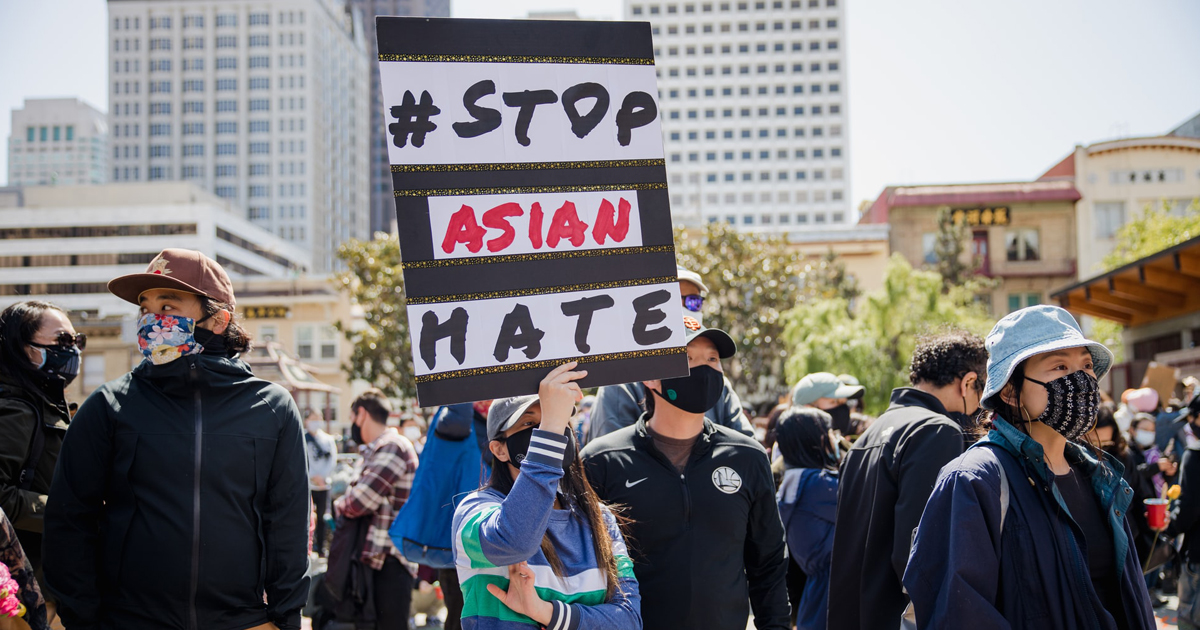
We want our Asian sisters and brothers to know that we see you, we hear you, and we are with you. As we celebrate the value of all people made in the image of God, we also want to celebrate Asian cultures, protect Asian communities, support Asian businesses, and recognize Asian accomplishments. As an organization, we are thankful for the tremendous contributions of our Asian staff members, and we celebrate their perspectives, gifts, talents, and leadership.
In response to the rise in violence against people of Asian descent, and in acknowledgment of the historical racism experienced by Asian peoples, here are some resources we have collected which may support you in caring for your own mental health, educating yourself, or becoming a better ally.
On May 27, 2021 the remains of 215 Indigenous children were discovered in an unmarked grave on the grounds of the Kamloops (Tk’emlups) Residential School in British Columbia. This devastating discovery confirms the oral histories of elders and survivors and has resurfaced grief and trauma across Canada.
Under the residential school system, seven generations of Indigenous children were removed from their families and communities and confined in government-sponsored religious schools designed to educate the “Indian” out of them. The purpose of the schools was to eliminate all aspects of Indigenous culture and language by assimilating Indigenous children into a completely new and westernized way of life. In addition to experiencing physical, sexual, spiritual, and emotional abuse and inhumane living conditions, it’s estimated that thousands of children who attended these schools between 1831 and 1996 never returned home. At least five generations of Indigenous people continue to feel the impacts of intergenerational trauma.
At Sanctuary, our hearts are with the Secwépemc people, Indian Residential School Survivors, their families and communities, and all Indigenous people affected by this tragedy and Canada’s history of colonial violence and the residential school system. We see you, we hear you, and we are grieving alongside you.
We are immensely grateful for the Indigenous people who have chosen to work with us. It’s an honour to share their stories, art, and this poem, written in response to the Kamloops tragedy, by Sanctuary Advisor Dr. Cheryl Bear, Nadleh Whu’ten First Nation.
Have questions about any of our tools or resources? Contact us at